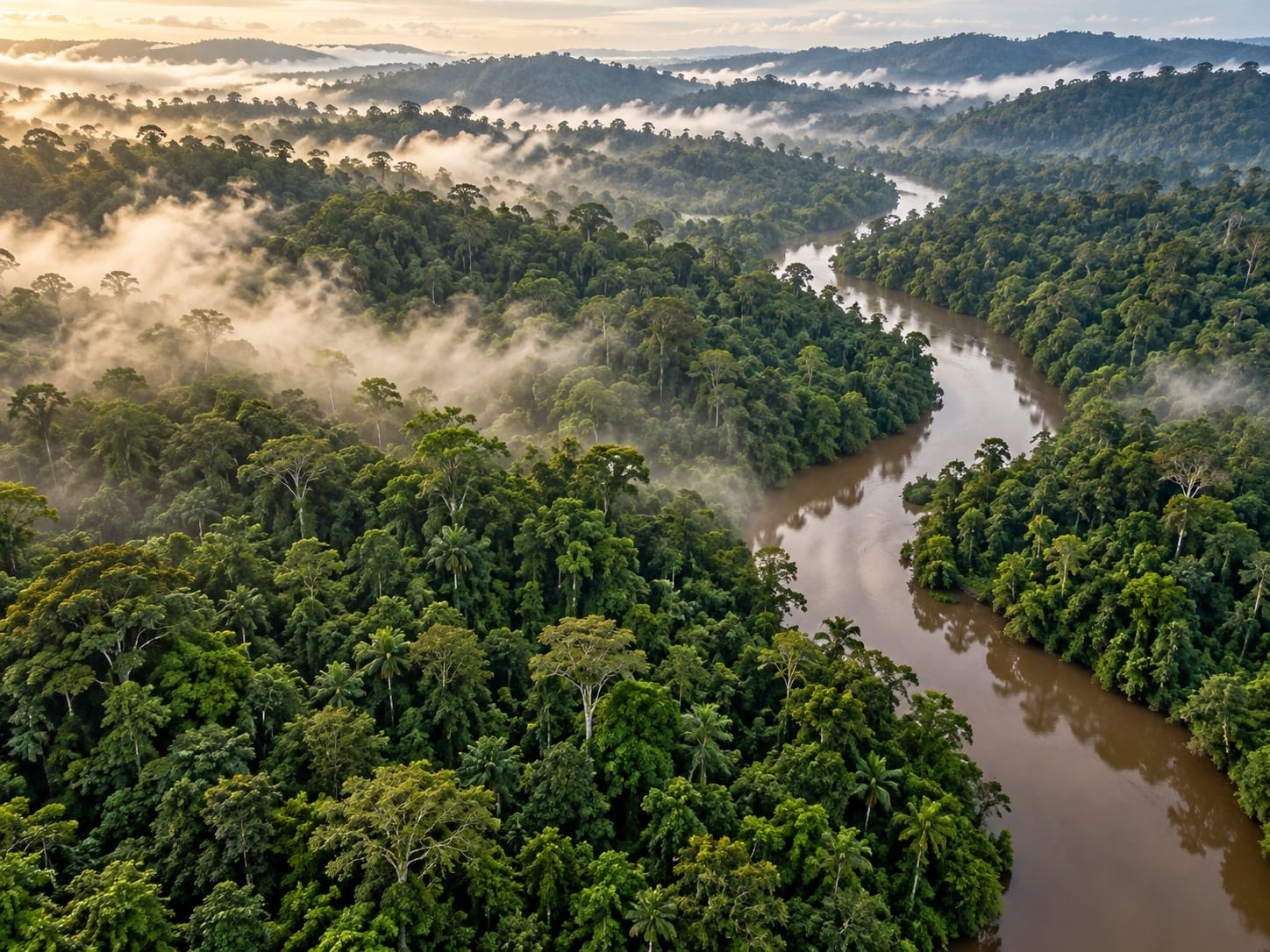
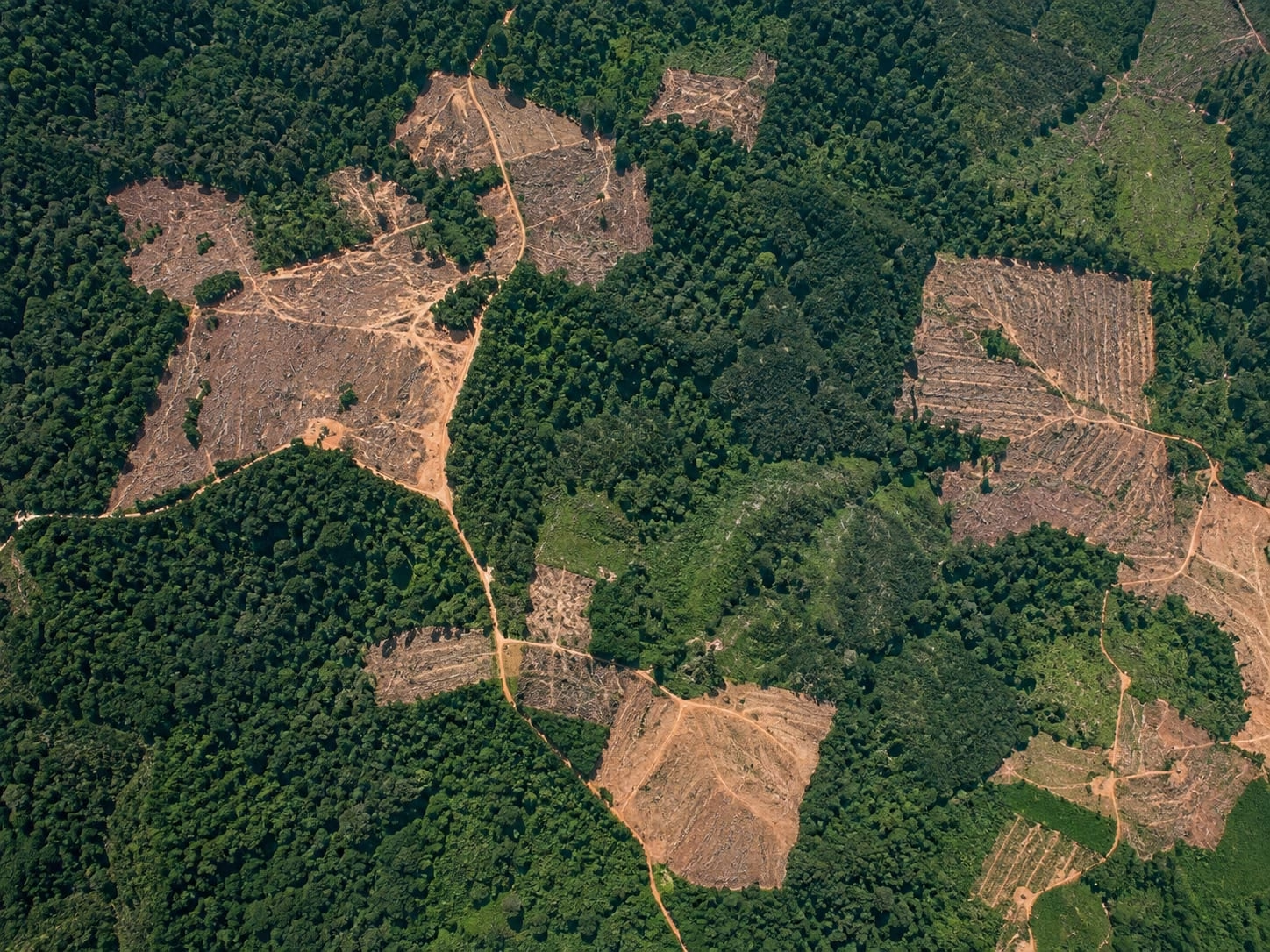
According to satellite monitoring by Brazil's space research agency INPE, about 3,335 square kilometres of the Amazon rainforest were cleared between August last year and July this year. That is almost 42% less than a year earlier and the lowest figure since measurements began in 1988. The previous low was 4,571 square kilometres in 2011–2012. In the mid-1990s, almost 30,000 square kilometres were destroyed each year.
The savanna suffered less too
In the Cerrado savanna, deforestation fell by about 24% to roughly 5,517 square kilometres, the lowest figure since 2001. The measurement year runs from August to July because there are fewer clouds in mid-year, making clearing easier to spot on satellite images.
What is behind it
The environmental group Observatório do Clima links the result to more effective enforcement and tougher penalties for illegal logging. Its head, Marcio Astrini, called the figures a historic achievement. Environment Minister João Paulo Capobianco called the drop truly extraordinary. In 2023, President Lula da Silva pledged to end deforestation by 2030; under his predecessor Jair Bolsonaro, deforestation reached a 15-year high.
Ahead of the election
The data were published before the 25 October presidential run-off between Lula da Silva and conservative Flávio Bolsonaro. Polls show them almost level. Flávio Bolsonaro also promises to strengthen environmental enforcement, focusing on organised crime.
What remains open
These are data for a single year. The sources do not say how much of the decline is due to enforcement and how much to other factors.