
In type 2 diabetes, the body's cells respond less well to insulin. Much of the blood sugar is used in skeletal muscle, so muscle insulin sensitivity is one of the key issues in the disease. On 19 October, researchers at the Pennington Biomedical Research Center in the US published a study in the journal Nature Communications that points to a new culprit.
What was found
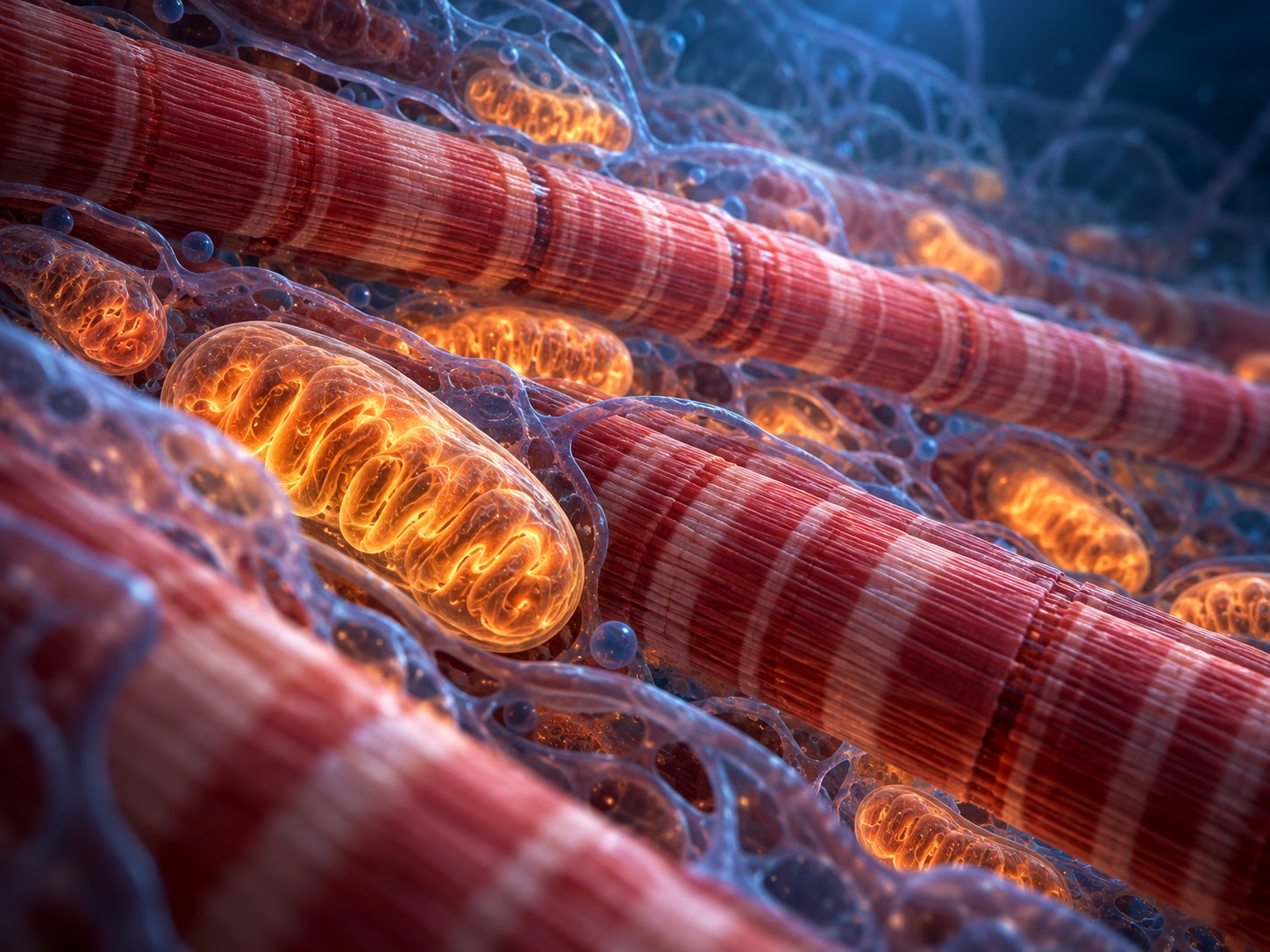
- Miro1 is higher in the muscles of people with diabetes. This protein sits on the outer membrane of mitochondria, the cell's power plants.
- Build-up of the protein impairs the insulin response. In preclinical models, removing Miro1 restored the muscles' response to insulin.
- Exercise lowered Miro1 levels. In a randomised trial involving people with obesity and type 2 diabetes, aerobic training reduced Miro1 levels in muscle. Those who exercised also improved their insulin sensitivity and their muscles' ability to produce energy compared with those on standard care.
Why it matters
According to the study's senior author John Kirwan, Miro1 could be a new treatment target. The finding also helps explain why physical activity works so well in diabetes: it may directly affect a protein that impairs insulin sensitivity.
What remains open
The core of the study is preclinical. The press release does not give the number of participants or other statistics. The authors themselves say more research is needed before it can be said whether targeting Miro1 could become a treatment. For questions about diabetes treatment, talk to your doctor.