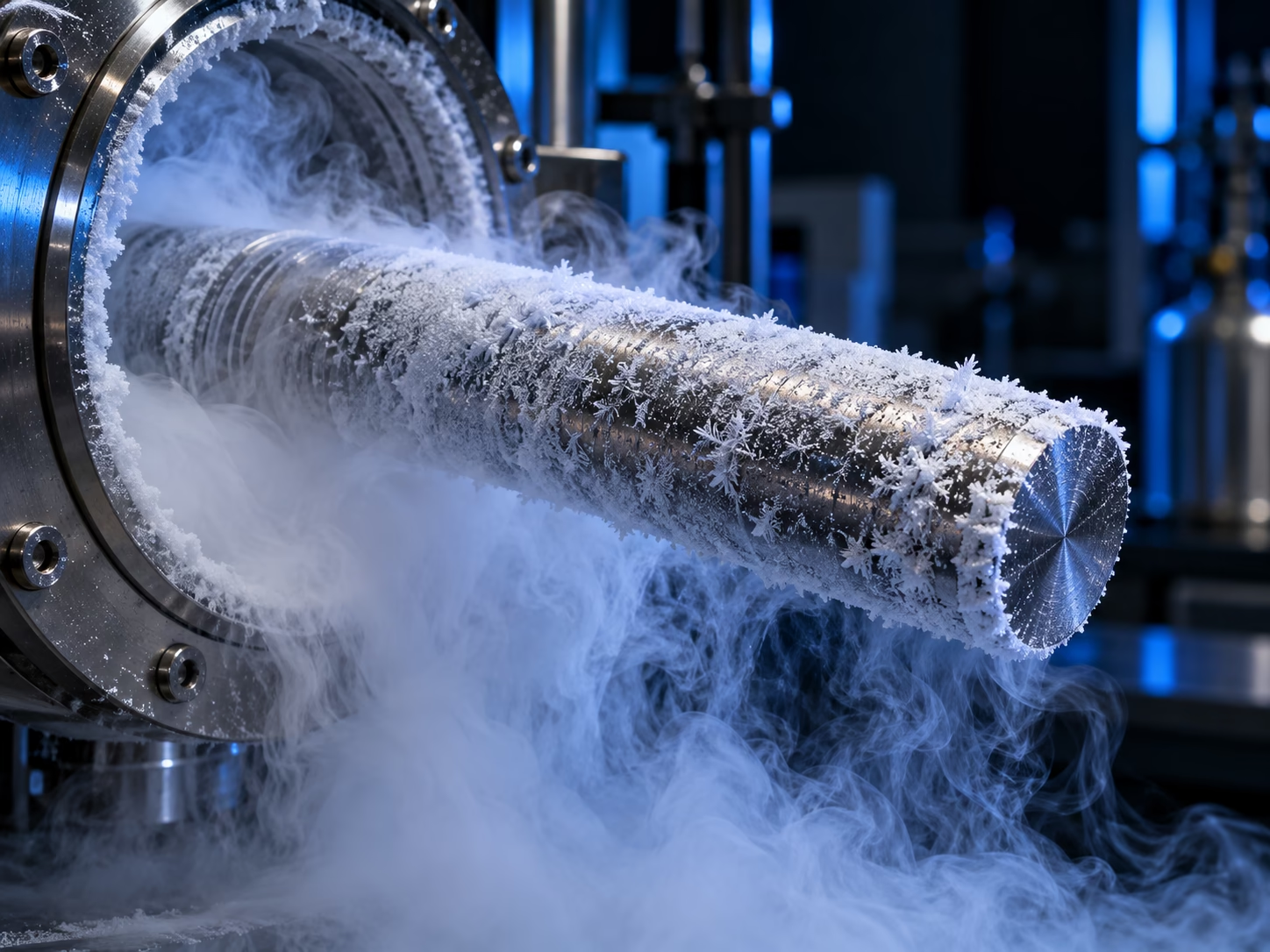
Many metals become brittle like glass when very cold: when struck, they do not bend but crack. In the journal Nature, an international research team described two niobium- and titanium-based alloys that remained crack-resistant even at 20 kelvin, or about minus 253 °C. No embrittlement was seen at all in the tests.
Why this is surprising
The alloys belong to the group of metals with a body-centred cubic crystal lattice. In the cold, they usually struggle to deform because the defects moving inside the metal, called dislocations, get stuck. According to University of Oxford professor Dong Liu, this transition to brittleness has been seen as a fundamental limitation of such metals.
What happens inside the alloy
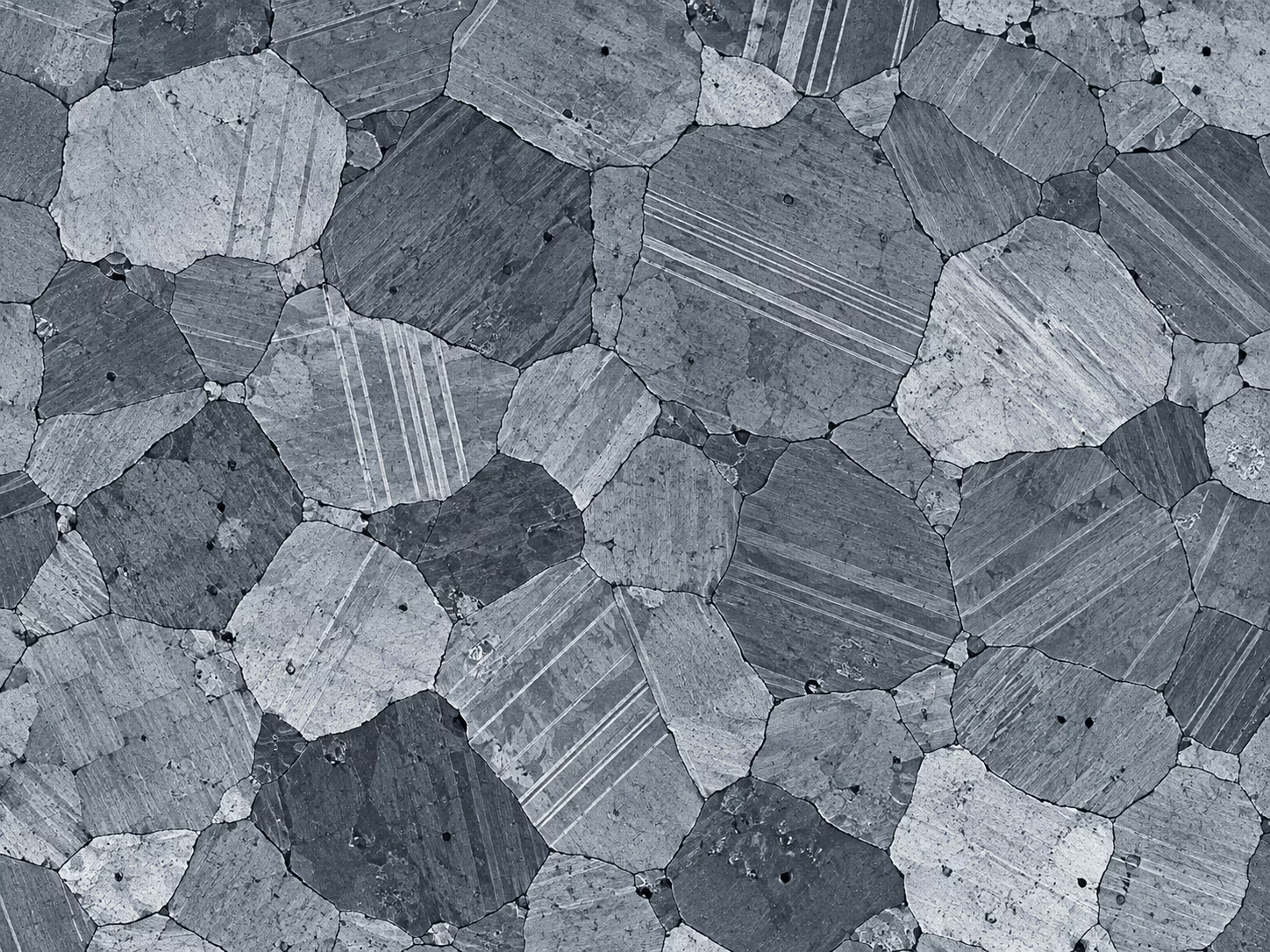
In the new alloys, the existing defects also move less, but something else happens. Nanoscale twin crystals form inside the metal and the crystal structure changes locally. Stress concentrating at grain boundaries then creates new dislocations, and the metal can keep stretching instead of breaking. According to the study's lead author David Cook, the ability to create new defects may matter as much for the brittleness limit as the movement of existing ones.
How it was tested
The samples were cooled with helium gas and tested under a neutron beam at ISIS in the United Kingdom. They were then examined with electron microscopy, atom probe analysis and computer models. Participants included UC Berkeley, Lawrence Berkeley National Laboratory, and the universities of Oxford and Bristol.
What remains open
The alloys are experimental. The study does not address their cost, large-scale production or tests in real equipment. According to the authors, however, the principles could help design materials for cold conditions in energy, transport and aerospace.